The Lottery
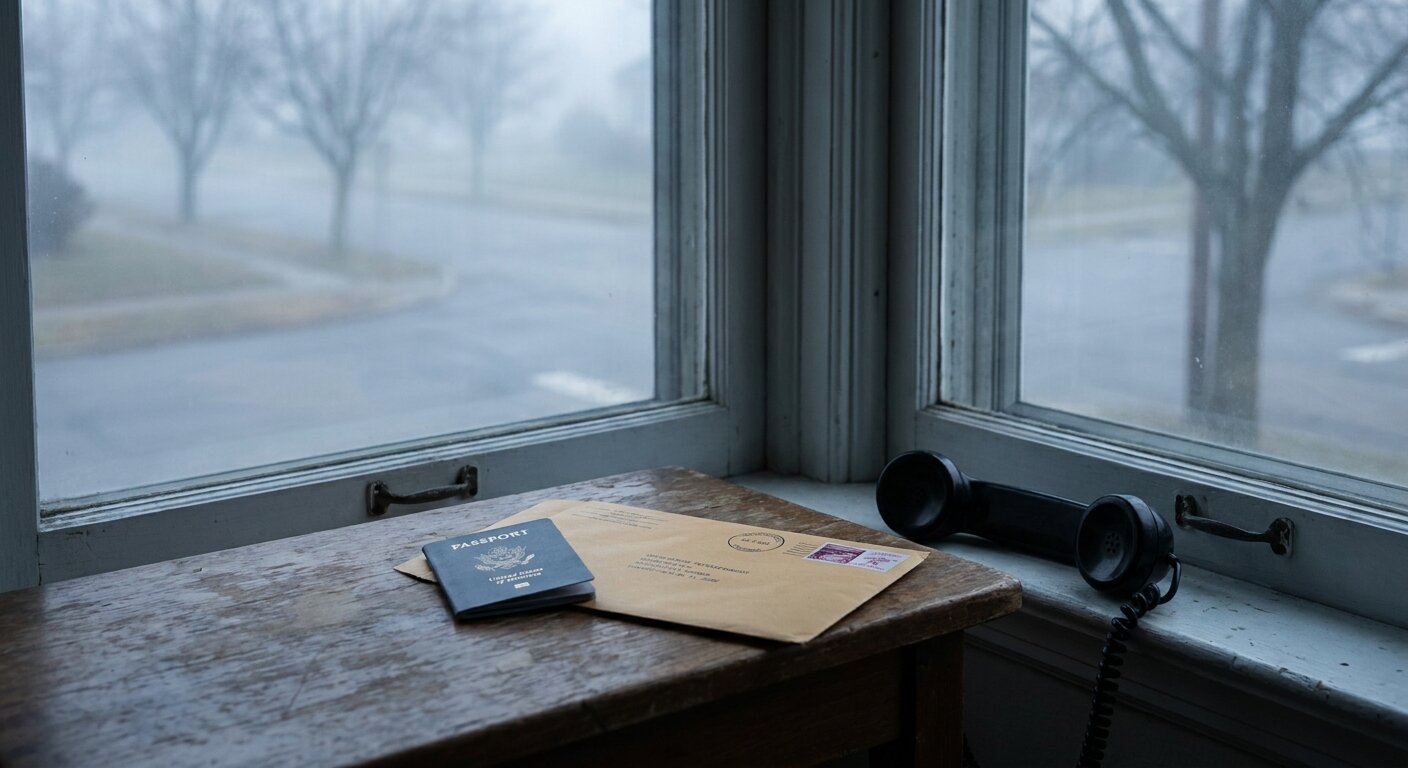
It is May 1. The city is quieter than usual. Timur had asked whether I would be free this morning.
1993
In late 1992, Timur’s workplace received a packet of materials about the US Diversity Visa program. A clerical staff member left a stack of application forms in the common room. Timur filled one out during a break — his name, his field, his institution, a return address. He put it in the outgoing mail envelope. He did not think about it again.
Six months later, a letter arrived. Then, three days after that, a phone call. The caller spoke in English, which Timur understood but did not use fluently at the time. The caller knew his name. The caller knew his position at the facility. The caller knew what he had worked on.
Timur said: “He did not ask me to confirm any of this. He told me. There is a difference.”
The Conversation Before
Before he left, there was a meeting. Timur described it the way you describe something you have thought about many times: flat, sequential, without gaps.
A man came to the facility — not in any official capacity Timur could identify, carrying no documents that indicated affiliation. He asked Timur to describe his work. Timur described his work. The man listened, asked three technical questions, and left. He did not take notes. He thanked Timur for his time.
Two weeks later, the visa paperwork arrived.
Timur said he understood, during the meeting, that the man already knew the answers to the questions he was asking. He said: “I think I was the interview. I did not know at the time that I was the interview.”
Thirty Years
The US. A defense contractor outside Washington. The work was described as infrastructure resilience — analysis of cascade vulnerabilities in large-scale power systems. The requirements documents used different terminology. The underlying principles were familiar.
He did his best. The work was real. The questions were real. He answered them.
He said: “I did my best. I did not say everything I knew. That is now the problem.”
I asked him what he had not said. He said the problem was not that he had withheld specific facts. The problem was that for thirty years he had answered questions without explaining where the questions came from. Without naming what the system he had worked on was actually designed to do. The people asking were working on defense against something — he is not certain they knew what that something was.
He said: “The Americans were building a lock. I helped design the lock. I never told them what the key looked like.”
I wrote this down. I read it back to him. He said that was accurate.
Current status:
- Timur: 1993 DV Lottery — one application, forgotten; phone call in English; pre-departure meeting with unidentified person who already knew the answers; visa two weeks later
- US period: defense contractor, infrastructure resilience, thirty years; familiar Soviet principles in the requirements; did not explain the origin of those principles
- Key quote: “The Americans were building a lock. I helped design the lock. I never told them what the key looked like.”
- Key quote 2: “I did my best. I did not say everything I knew. That is now the problem.”
- Paper: day 18 in review; Ogarev silent
- Chelyabinsk entry: still in notebook, still not verified beyond what is written
- Emotional state: writing things down
Previous post: The Search